
Fleet visibility in Nigeria has quietly become a powerful advantage for businesses that rely on vehicles. Companies that see clearly now operate better, spend less, and deliver faster.
As operating costs increase, visibility is no longer optional. It directly affects efficiency, planning, and profitability.
What fleet visibility really means
Fleet visibility in Nigeria goes beyond knowing vehicle locations.
It means understanding how vehicles are used, when they are idle, why they break down, and how long they stay unavailable. When this information is clear, decisions improve naturally.
Without visibility, managers rely on assumptions. That leads to mistakes.
The cost of poor fleet visibility
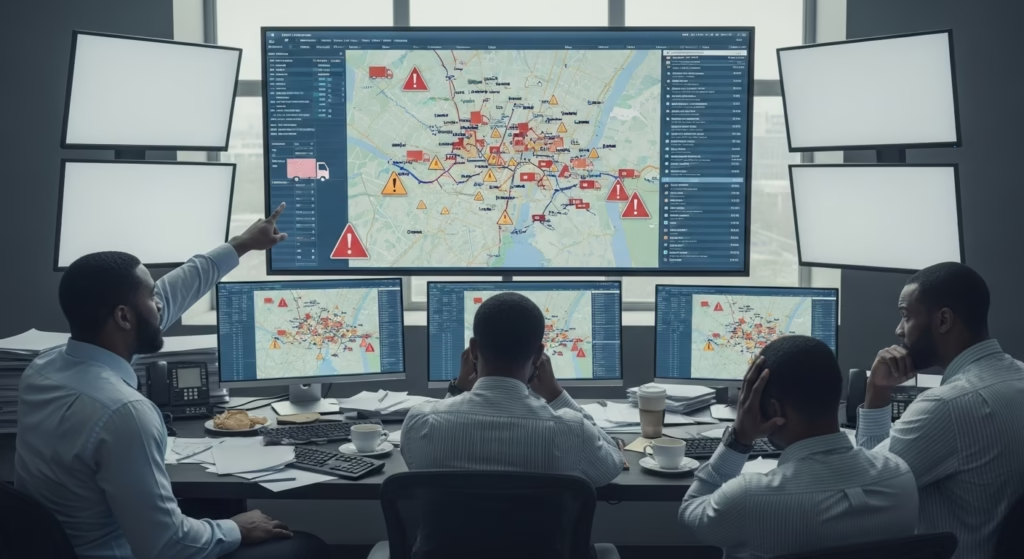
Many Nigerian fleets still operate with limited visibility.
Phone calls replace data. Memory replaces records. Problems are discovered late instead of early.
As a result, vehicles appear productive while quietly wasting time. Downtime increases. Costs rise without explanation.
Poor visibility hides inefficiencies that slowly damage performance.
How fleet visibility improves efficiency
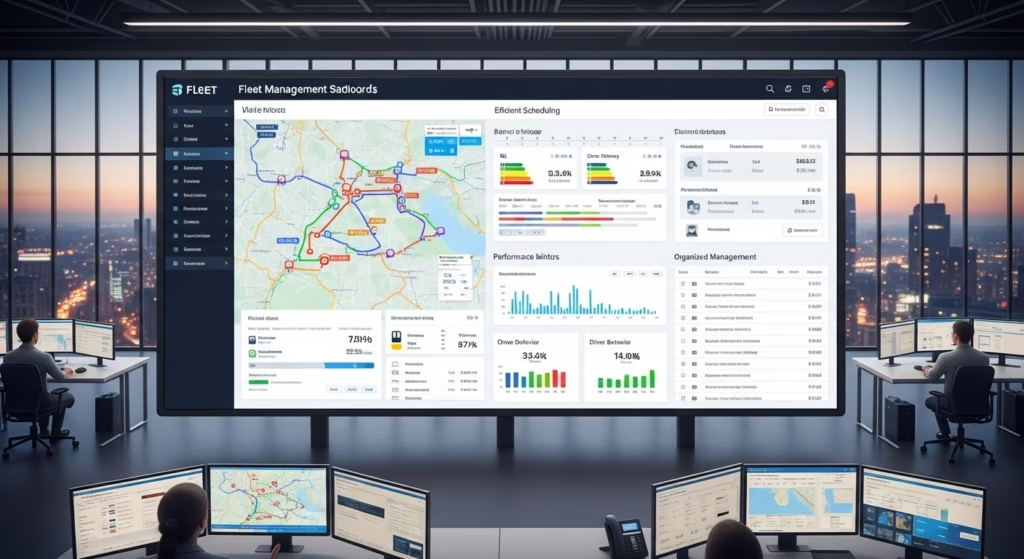
Fleet visibility in Nigeria helps managers spot patterns.
For example, repeated downtime becomes obvious. Underused vehicles are easy to identify. Routes that cause delays stand out quickly.
Because issues are visible, solutions become easier. Planning improves. Scheduling becomes realistic. Resources are used properly.
Small improvements then create big results.
Better visibility leads to stronger accountability

When fleet activity is visible, accountability improves.
Drivers understand expectations. Managers rely on facts instead of assumptions. Decisions become fair and consistent.
This clarity reduces confusion and conflict. Over time, trust grows within the team.
Accountability improves performance across the fleet.
Why visibility creates a competitive edge
Businesses with strong fleet visibility in Nigeria respond faster.
When delays occur, adjustments happen quickly. When vehicles go down, decisions are informed. When costs rise, causes are clear.
Meanwhile, businesses without visibility react late. That difference affects customer satisfaction, reliability, and growth.
Visibility turns operations from reactive to controlled.
How businesses can improve fleet visibility
Improving fleet visibility in Nigeria starts with simple steps.
Accurate record keeping matters. Vehicle usage should be tracked consistently. Maintenance history should be reviewed regularly. Downtime should never go unexplained.
Even basic visibility changes how decisions are made.
Seeing clearly changes everything
Fleet visibility in Nigeria is now a defining advantage.
Businesses that see clearly operate with confidence. They reduce waste, plan better, and build stronger customer trust.
Those that ignore visibility continue to struggle with rising costs and uncertainty.
In fleet operations, seeing clearly is no longer optional. It is the foundation of sustainable success.