
A Fleet Manager is a technical operations leader responsible for the strategic coordination of an organization’s vehicle assets.
In the past, being a fleet manager meant keeping your eyes on the engine. Today, it’s about keeping your eyes on the data. The job has moved beyond mechanical oversight into a high-tech game of asset management.
We’re seeing managers use everything from AI-powered telematics to agile frameworks to keep costs down, stay on the right side of regulations, and most importantly, keep their drivers on the road.
What does a Fleet Manager actually do all day?
If you strip away the titles, a logistics coordinator is essentially the heartbeat of a company’s logistics. While every day is different, the core responsibilities hover around three major things: Safety, Money, and Time.
- Keeping the Health of the Fleet: Instead of just waiting for an oil light to come on, managers now use a preventive-first mindset.
By leaning on real-time data, they can spot a failing part before the driver even notices a vibration. It’s about moving from What’s broken? to What’s about to break?
Deloitte’s research on predictive maintenance confirms that this proactive approach is essential for reducing unplanned downtime in a modern supply chain. - Keeping Fuel Costs under control: Fuel is usually the biggest variable expense a fleet has to deal with. A fleet maintenance supervisor is to make sure the fleet isn’t just buying, but buying at the right price and in the right way.
This means watching market swings and finding ways to give drivers more flexibility without losing control over the budget. - Being the Shield for compliance: Regulations do not take a day off. A huge part of the role is staying ahead, ensuring every digital log is air-tight, and every driver is safe. It is less about policing and more about coaching drivers to be the best on the road.
- Watching the Bottom Line (TCO): Every mile has a price tag. Fleet managers spend a lot of time analyzing the cost of ownership. This means looking at fuel spend, how fast a vehicle is losing value (depreciation), and when the exact right moment to sell it is.
How does Agile Methodology Improve Fleet Efficiency?
At Fueling Agile, we believe the old way of managing assets is too slow. Our signature changes the game for you.
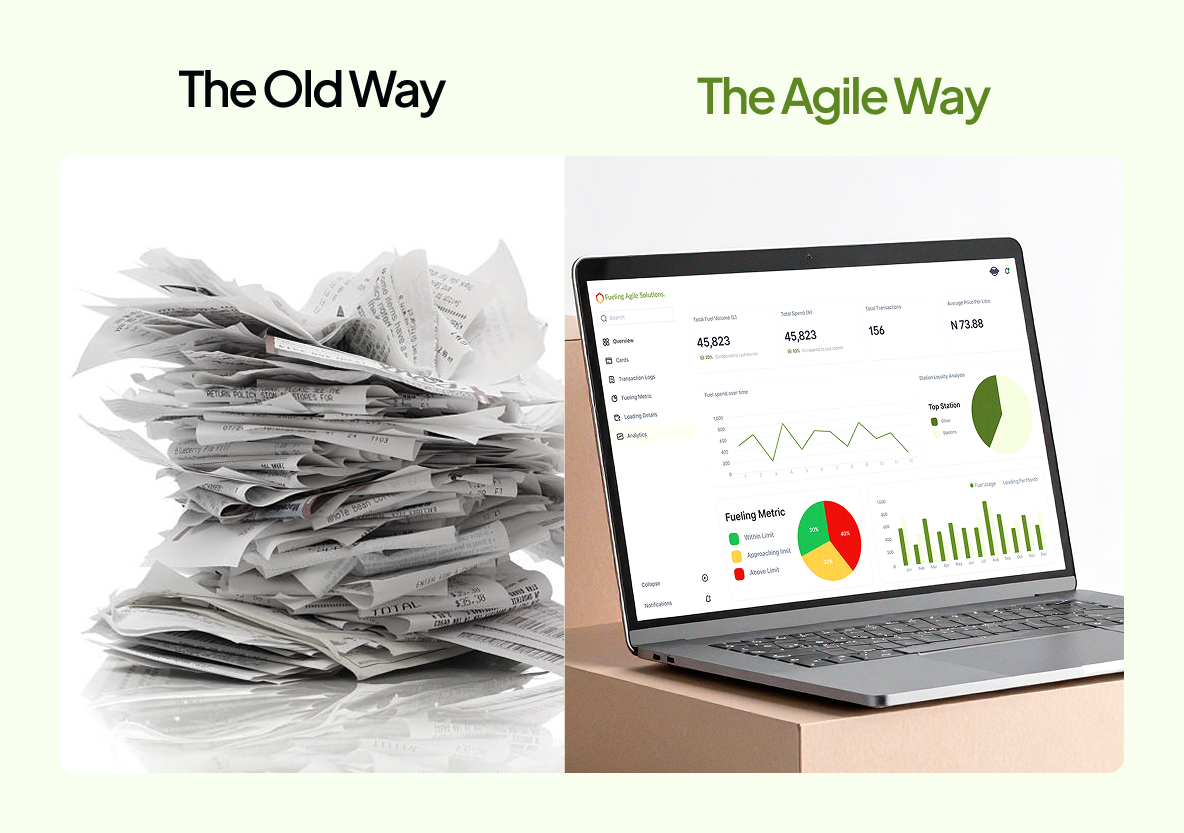
- Real-time data loops over monthly reports: Instead of waiting for a statement for a long time, our system provides real-time tracking of fuel use and expenditures.
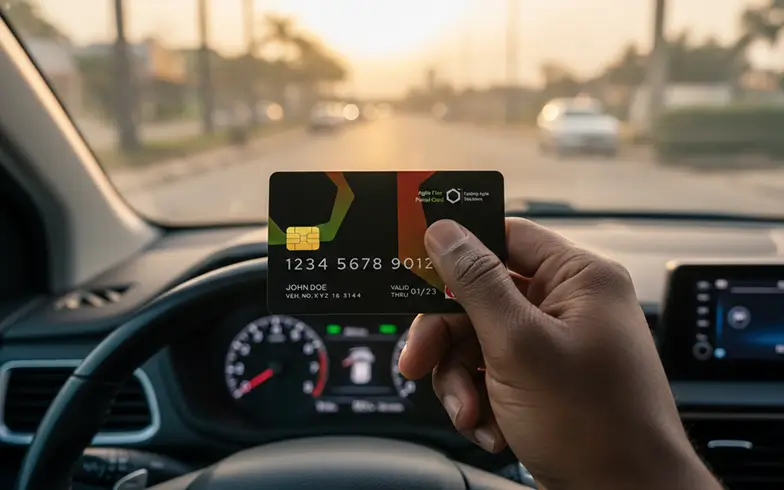
This allows you to spot fuel leaks or theft immediately and pivot your strategy immediately, a level of transparency that Forbes Advisor notes is critical for reducing operational risk. - Dynamic flexibility with nationwide access. An Agile fleet isn’t restricted to a single brand. With AgileFlex PetrolKaart, your drivers have access to over 2400+ gas stations worldwide.
- Precision control of asset spending. You can set tailored daily, weekly, or monthly limits for every employee or vehicle role. This Agile level of control ensures your budget stays on track while giving your team the flexibility they need to get the job done.
What are the Top 5 KPIs every Fleet Coordinator must track?
- Fuel expenditure variance. High variance usually signals fuel theft or unauthorized use
- Asset utilization rate.
- Downtime per vehicle.
- Driver compliance score
- Total cost of ownership
Conclusion
A fleet person is no longer just a logistics coordinator, they are the strategic architect of a company’s operational margin. The role demands a master of data, a guardian of financial security, and an advocate for technical agility.