
Many Nigerian businesses feel like fleet expenses are spiraling out of control. Fuel bills rise unexpectedly. Maintenance costs appear without warning. Vehicles seem busy, yet profits remain tight. For many operators, it feels like no matter how hard they try, fleet costs in Nigeria refuse to stay predictable.
The truth is simple. Fleet costs feel uncontrollable because most businesses lack visibility into daily operations.
Fleet costs grow when visibility is missing
Fleet costs in Nigeria rarely explode overnight. Instead, they increase quietly.
Vehicles run longer than planned. Maintenance issues get delayed. Records stay incomplete. Over time, small inefficiencies turn into major expenses.
Without clear visibility, managers only see the final bill. They never see the behaviors and decisions that created it.
Guesswork is the biggest cost driver
Many fleets still operate on assumptions.
Managers assume vehicles are used efficiently.
They assume routes are optimal.
They assume downtime is unavoidable.
Unfortunately, assumptions hide waste. A vehicle can appear productive while quietly costing more to operate. Without data, these patterns stay invisible.
This is why fleet costs in Nigeria often feel uncontrollable.
Poor tracking creates financial blind spots
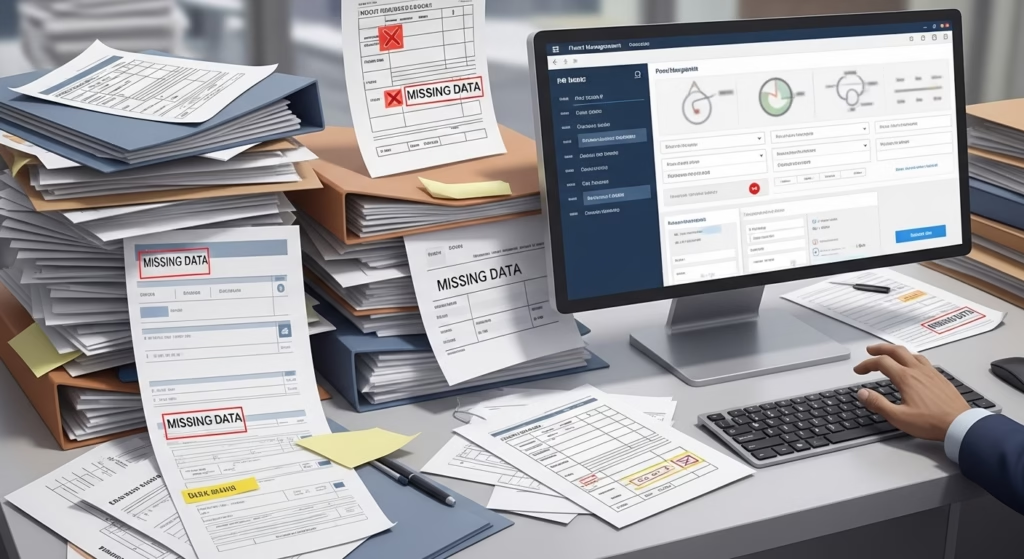
When records are inconsistent, costs become unpredictable.
Maintenance history goes missing.
Usage data stays scattered.
Downtime is not measured properly.
As a result, budgeting becomes reactive instead of planned. Businesses respond to problems instead of preventing them.
Clear tracking turns cost control into a manageable process.
Downtime amplifies fleet costs
Every idle vehicle increases fleet costs in Nigeria.
When vehicles are unavailable, deliveries slow down. Schedules change. Emergency repairs cost more. Sometimes, businesses rent replacements at higher rates.
The cost is not just mechanical. It affects customer trust and staff productivity as well.
Manual processes make control harder
Paper based records and delayed approvals slow decisions.
Managers wait for information that should be available instantly. Repairs take longer to approve. Vehicles stay off the road longer than necessary.
Each delay adds pressure to operating costs.
Why fleet costs feel unpredictable
Fleet costs in Nigeria feel uncontrollable because many businesses see outcomes but not causes.
They see expenses but not patterns.
They see breakdowns but not early warning signs.
They see downtime but not why it happens repeatedly.
Without insight, control feels impossible.
Regaining control starts with clarity
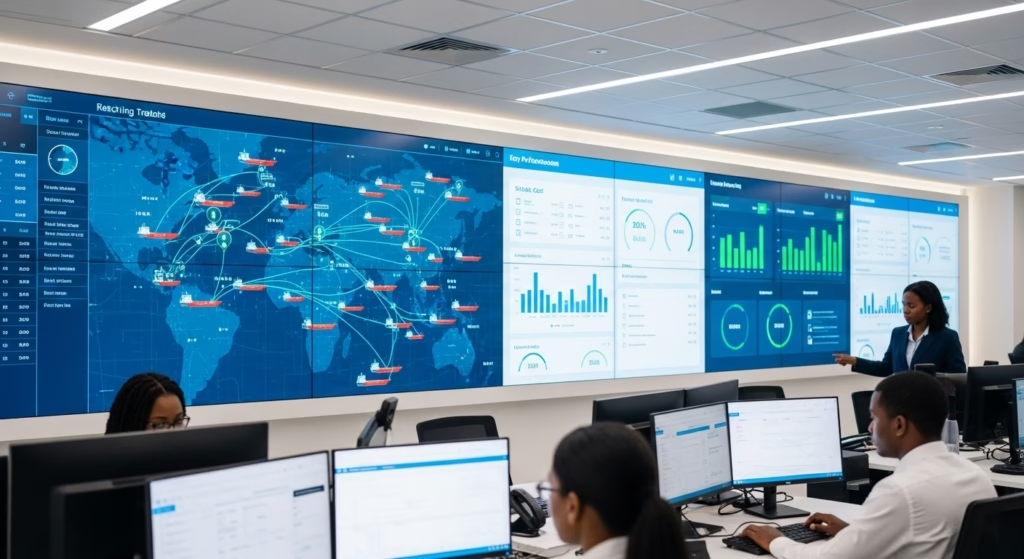
Fleet cost control begins with visibility.
Track vehicle usage consistently.
Record maintenance properly.
Monitor downtime and delays.
Review performance regularly.
These steps do not require complex systems. They require discipline and consistency.
Once patterns become clear, costs become manageable.
Control replaces frustration with confidence
When businesses understand where money goes, decisions improve naturally.
Repairs become proactive.
Budgets become realistic.
Vehicles stay productive longer.
Fleet costs in Nigeria stop feeling chaotic when visibility replaces guesswork.
The real challenge is not rising expenses. It is operating without insight. Businesses that address this regain control, stability, and long term efficiency.