
Fleet management in Nigeria is getting more digital every year. Many companies now use GPS tools, telematics devices, cloud dashboards, and IoT sensors to run their operations. These tools make work faster and more efficient. However, they also create new cybersecurity risks that many businesses do not notice early.
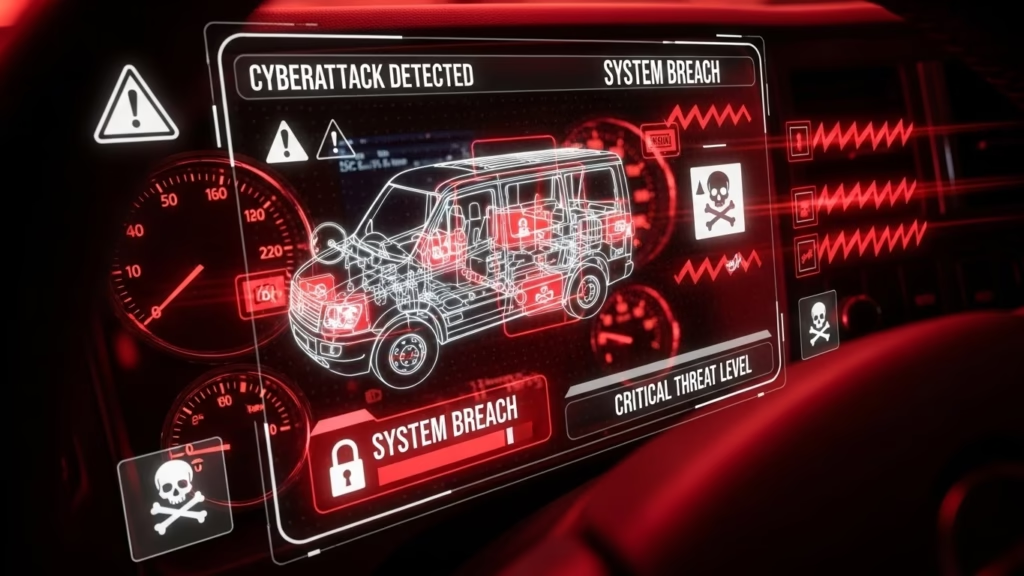
As 2026 approaches, cyberattacks on transport and logistics companies are rising across the world. Because of this, Nigerian fleet operators need to pay more attention to the security of their digital systems and connected vehicles.
Why Cybersecurity Matters in 2026
Today’s fleets depend on many connected tools. For example, they use GPS trackers, IoT sensors, cloud dashboards, and digital reporting platforms. While these tools improve visibility and control, they also open more entry points for cybercriminals.
A single attack can disrupt operations the same way a vehicle breakdown can. In some cases, the impact is even worse.
Major Cyber Threats to Nigerian Fleets
GPS Spoofing
Cybercriminals can send false GPS signals. When this happens, a vehicle appears to be in a location where it is not. This can delay deliveries, confuse fleet managers, or hide theft.
Telematics System Attacks
Telematics devices collect real time data. If hackers break into these systems, they can access sensitive information such as routes, engine status, and speed history.
IoT Device Hacking
Many vehicles use sensors for tracking conditions like temperature or movement. Some of these devices have weak security. As a result, hackers can change the data, turn off devices, or enter other connected systems.
Cloud Dashboard Breaches
Most fleet dashboards run in the cloud. Once hacked, they can expose customer records, route logs, and vehicle locations. Attackers target dashboards because they offer broad access in one place.
Ransomware
Some companies still store fleet data on local servers. When ransomware hits, attackers lock the system and demand payment. This can stop operations completely.

Why Nigerian Fleets Face More Risk
Several issues increase the level of danger. For instance, many companies adopt digital tools quickly but without proper security. In addition, some staff members are not trained in cybersecurity. Many devices run outdated software. Passwords are often weak. Data protection laws are still developing.
All these factors create gaps that attackers can exploit.
How Companies Can Protect Their Fleets
The good news is that strong protection is possible even with a modest budget.
- Update All Devices Regularly
Outdated software is one of the most common causes of security breaches. - Use Strong Authentication
Multi factor authentication makes dashboards harder to break into. - Secure IoT and Telematics Hardware
Choose devices with better security features and disable unnecessary ports. - Train Staff
Simple training on phishing, passwords, and safe practices reduces many attacks. - Limit Access to Dashboards
Only the right staff members should have access to critical data. - Monitor Systems in Real Time
Alerts for strange login attempts or sudden GPS changes help detect attacks early. - Work With Secure Technology Partners
Choose vendors that prioritize encryption and cybersecurity.
What to Expect in 2026
Cybersecurity for fleets will keep evolving. In 2026, more companies will adopt AI tools to detect threats automatically. Nigeria is also expected to introduce stronger data protection rules. New telematics hardware with better security will enter the market. Additionally, more fleets will use unified dashboards that track cybersecurity risks across all vehicles.
Businesses that prepare early will face fewer disruptions and stay competitive. As digital tools become a core part of fleet operations, protecting them becomes essential. Strong cybersecurity is now a major requirement for any company that wants to protect its revenue, operations, and customer trust.