
Many Nigerian businesses focus on fuel prices, repairs, and vehicle availability. However, one silent problem keeps slowing growth without being noticed. Poor fleet records.
Poor fleet records do not cause sudden failure. Instead, they quietly weaken operations, drain profits, and block long term growth. Over time, businesses feel stuck without knowing why.
Poor fleet records hide real performance
Fleet records tell the true story of daily operations. They show how vehicles are used, how often they break down, and where money goes.
When records are incomplete or inaccurate, managers rely on memory and assumptions. Unfortunately, memory is unreliable. As a result, decisions are made without facts.
This lack of clarity prevents improvement.
Guesswork replaces strategy
Without proper fleet records, planning becomes guesswork.
Managers estimate maintenance schedules.
They assume vehicle performance.
They rely on past experience instead of current data.
While experience matters, it cannot replace accurate records. Guesswork hides inefficiencies and allows small problems to grow into expensive ones.
Over time, poor fleet records quietly destroy growth opportunities.
Costs rise without warning
One major effect of poor fleet records is unpredictable cost.
Maintenance expenses appear suddenly.
Downtime increases without explanation.
Budgets fail to match reality.
Because records are missing, businesses only see expenses after damage is done. This reactive approach increases stress and reduces control.
Clear records turn surprises into planned decisions.
Poor records weaken accountability
Fleet records create responsibility.
When records are missing, it becomes difficult to track usage, identify delays, or understand recurring issues. As a result, accountability fades.
Drivers feel unchecked.
Managers feel frustrated.
Operations lose discipline.
Strong records create structure, fairness, and trust across the team.
Growth depends on reliable data
Business growth requires confidence.
Expanding routes.
Adding vehicles.
Serving more customers.
All these decisions depend on accurate fleet information. Without reliable records, growth becomes risky instead of strategic.
Poor fleet records force businesses to slow down, even when opportunities exist.
Manual records slow everything down
Paper based systems and scattered files delay decisions.
Managers wait for updates.
Approvals take longer.
Vehicles stay idle.
Each delay reduces productivity and limits growth. Over time, businesses fall behind competitors who operate with clearer systems.
How to fix poor fleet records
Improving fleet records does not require complex technology.
Start by recording vehicle usage consistently.
Maintain clear maintenance logs.
Track downtime accurately.
Review records regularly.
Consistency matters more than complexity. Simple habits create powerful insights.
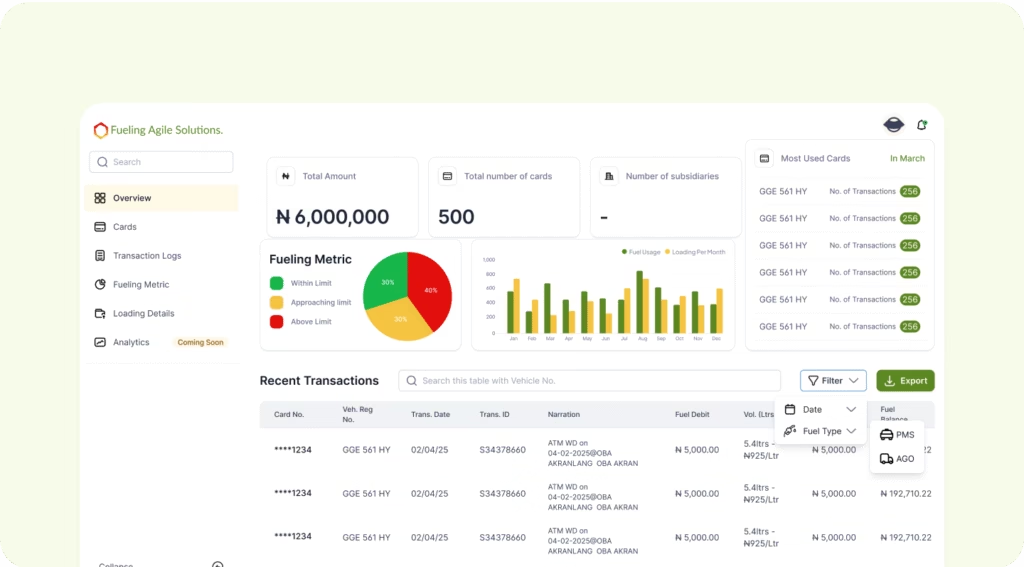
Clear records unlock growth
When fleet records improve, businesses feel the difference quickly.
Costs become predictable.
Decisions become confident.
Operations become stable.
Growth no longer feels risky. It feels planned.
Poor fleet records do not fail loudly. They fail quietly. Businesses that recognize this early protect their profits, strengthen operations, and position themselves for sustainable growth.
Visibility begins with records. Growth follows clarity.