
Data driven decisions are reshaping how Nigerian businesses operate in 2026. Many companies now realize that success is no longer based on guesswork or experience alone. Instead, smart decisions come from clear data and simple insights.
In today’s competitive environment, data driven fleet decisions help businesses reduce waste, improve planning, and stay profitable.
Why data driven decisions matter in 2026
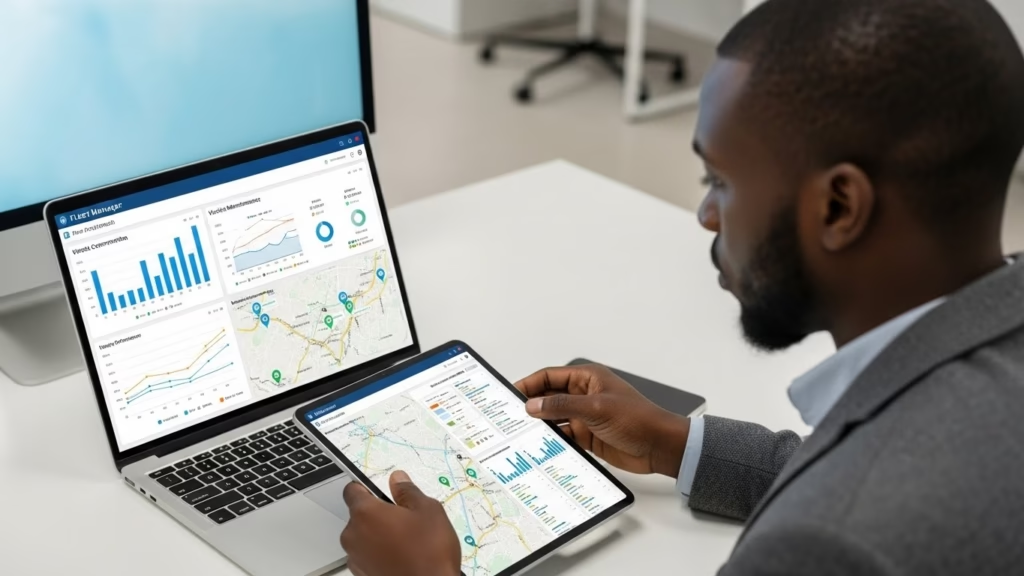
Fleet operations generate large amounts of information every day. Vehicle usage, trip duration, downtime, and maintenance records all tell a story.
In the past, much of this information was ignored. Now, Nigerian businesses use it to make better choices. As a result, operations become more predictable and efficient.
Because costs continue to rise, businesses can no longer afford decisions based on assumptions.
The problem with intuition based fleet management

Many fleets still rely on intuition. Managers assume which vehicles perform best. They guess which routes work well. They rely on memory instead of records.
Unfortunately, intuition often hides inefficiencies. Vehicles may appear productive while quietly costing more. Routes may seem fast while creating delays.
Without data, these problems remain invisible.
How data driven decisions improves fleet planning
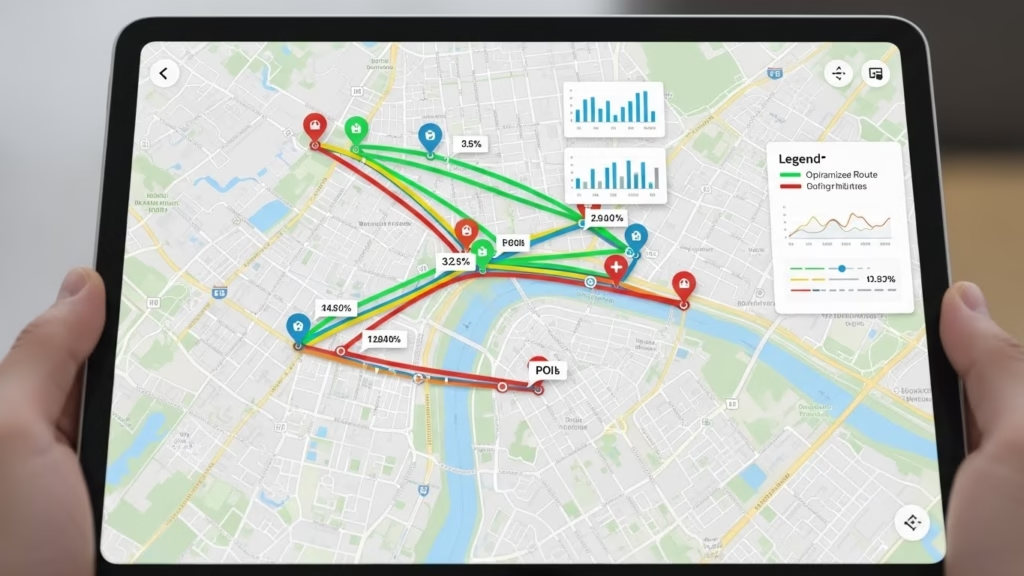
Data driven fleet decisions allow managers to see patterns clearly.
For example, trip records reveal which routes cause delays. Maintenance logs show which vehicles require frequent repairs. Usage data highlights underutilized assets.
Once patterns become visible, planning improves naturally. Schedules become realistic. Maintenance becomes proactive. Resources get used properly.
Better decisions lead to better cost control
Every fleet decision affects cost.
When businesses use data driven fleet decisions, they reduce unnecessary repairs. They avoid overworking vehicles. They plan replacements before breakdowns occur.
Over time, these small improvements create major savings. More importantly, they improve stability across operations.
Data driven decisions builds accountability and clarity
Data removes confusion from fleet operations.
Drivers understand expectations. Managers rely on facts. Decisions become transparent and fair.
This clarity improves trust within teams and reduces operational friction. Everyone works from the same information.
How Nigerian businesses can start using data effectively
Data driven fleet decisions do not require complex systems.
Start with accurate record keeping. Track vehicle usage consistently. Review maintenance history regularly. Compare planned schedules with actual performance.
Even simple reviews create insights that improve decisions.

Looking ahead in 2026
In 2026, data driven fleet decisions are no longer optional. They are essential for businesses that want to grow without increasing risk.
Companies that embrace data will operate with confidence, efficiency, and control. Those that ignore it will struggle with rising costs and uncertainty.
The future of fleet management in Nigeria belongs to businesses that decide with data.