
As 2025 comes to an end, many Nigerian businesses are reviewing their operations and planning for the year ahead. For companies that rely on vehicles, one issue continues to quietly drain money and disrupt growth: vehicle downtime. While it may seem like a normal part of fleet operations, downtime is becoming far more expensive as business demands increase.
Vehicle downtime does not only mean a vehicle breaking down. It includes any period when a vehicle is unavailable for work due to repairs, inspections, poor scheduling, or administrative delays. When this happens repeatedly, the financial impact grows quickly.
What causes vehicle downtime in Nigerian fleets
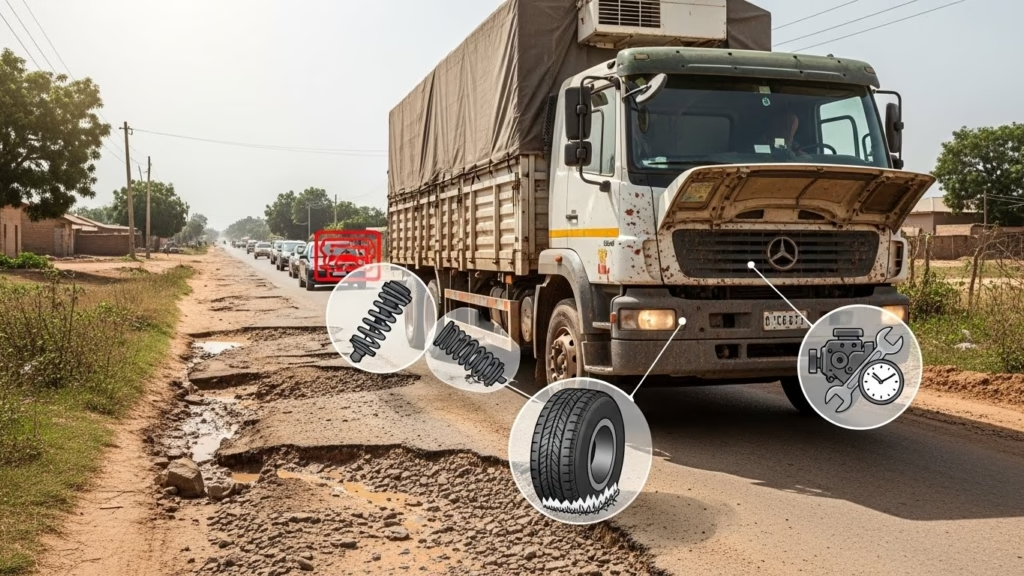
Several factors contribute to downtime, and many of them are avoidable with better planning.
Poor road conditions lead to frequent suspension, tyre, and alignment issues. Traffic congestion keeps vehicles idle for long hours and increases wear. Delayed maintenance allows small issues to grow into major repairs. In addition, spare parts availability and slow approval processes often keep vehicles off the road longer than necessary.
Each of these problems reduces the number of trips completed and increases operating pressure.
The real cost of downtime goes beyond repairs
Repair bills are only one part of the problem. When a vehicle is unavailable, deliveries are delayed and customer trust is affected. Staff productivity drops because schedules are disrupted. In some cases, businesses hire replacement vehicles at higher costs just to keep operations running.
Over time, these hidden losses often exceed the cost of the repair itself.

Why downtime will matter even more in 2026
As competition increases, customers expect faster service and more reliability. Businesses that experience frequent downtime struggle to meet these expectations. At the same time, rising operational costs mean companies have less margin for inefficiency.
In 2026, fleets that do not actively reduce downtime risk falling behind more organized competitors.

How Nigerian businesses can reduce vehicle downtime
Fortunately, reducing downtime does not require complex systems or massive budgets.
Regular maintenance schedules help prevent unexpected breakdowns. Tracking vehicle performance allows early identification of recurring issues. Planning routes carefully reduces stress on vehicles and limits exposure to poor roads. Faster approval processes for repairs also help vehicles return to service quickly.
In addition, keeping accurate records of repairs and usage helps managers make better decisions about vehicle replacement and utilization.

Planning for a more reliable fleet in the new year
As 2025 ends, this is the right time for businesses to review how often vehicles are unavailable and why. Even small improvements in availability can lead to significant savings over time.
Reducing vehicle downtime improves reliability, strengthens customer trust, and increases profitability. Businesses that treat downtime as a strategic issue rather than a routine inconvenience will enter 2026 with a stronger and more resilient fleet.